Are You Ready for WHQS Element 1c? A Quick Compliance Reality Check for Welsh Landlords
From April 2026, WHQS Element 1c compliance will introduce new expectations around how Welsh social landlords identify, assess, and respond to housing hazards. These changes place greater emphasis on how quickly issues are handled, how consistently decisions are made, and how clearly actions are recorded.
For many organisations, the difficulty will not be understanding the requirements. It will be showing, with confidence, that those requirements are being met across all properties, teams, and cases.
So the question is straightforward: are your current systems set up to support that level of oversight?
WHQS Element 1c Compliance: A New Level of Scrutiny
The direction of travel from the Welsh Government is clear. Hazard response is being formalised within the wider Welsh Housing Quality Standard (WHQS) 2023 framework, with expectations around timeliness, accountability, and reporting becoming more defined.
Recent guidance on responding to hazards under WHQS highlights the need for landlords to evidence how hazards are identified, assessed, and resolved. This reflects a wider move across the sector, where compliance is increasingly tied to the strength of internal processes and the quality of supporting data.
In practical terms, landlords will need to show not only that action was taken, but that it was taken within the right timeframe and supported by clear decision-making.

Hazard Response Times in Wales: Can You Meet the Clock?
Meeting housing hazard response times in Wales will be one of the most immediate pressures for landlords.
Element 1c introduces defined expectations around how quickly hazards must be investigated and resolved once identified. As outlined in TPAS Cymru’s overview of the new hazard response requirements, this places greater importance on how reports are captured, prioritised, and progressed through to resolution.
The operational challenge lies in consistency. Hazard reports can originate from multiple sources, including tenants, contractors, and housing teams. Without a clear and unified process, it becomes difficult to ensure that every case is handled within the required timeframe.
At scale, even small gaps in visibility can lead to missed deadlines or inconsistent responses.
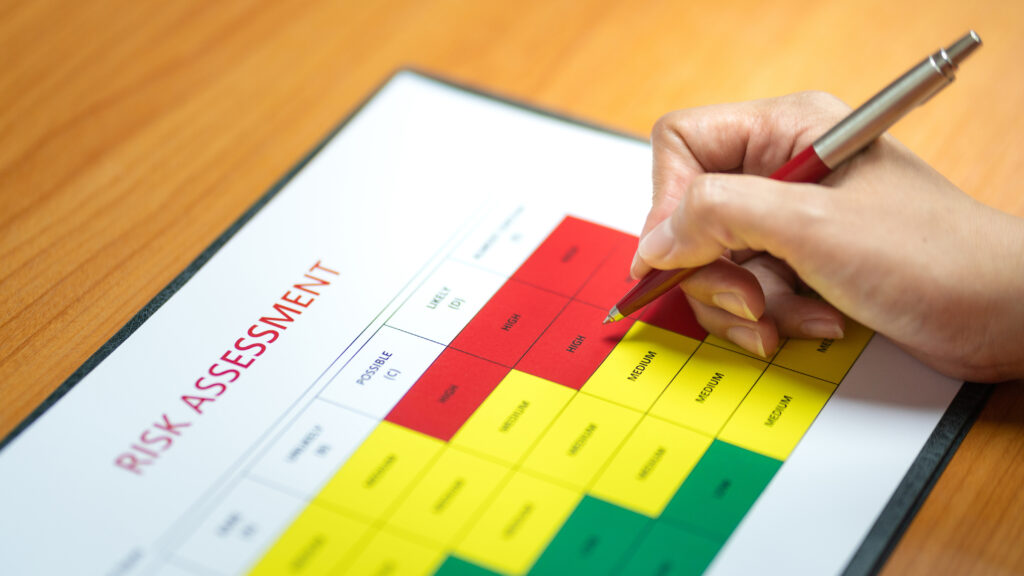
A Social Housing Compliance Checklist: What ‘Ready’ Looks Like
Delivering effective social housing compliance in Wales depends on having the right foundations in place.
Landlords should be able to demonstrate:
- Clear processes for capturing and logging hazard reports
- A consistent approach to risk assessment aligned with HHSRS
- Reliable tracking of investigation and remediation timelines
- Documented communication with tenants, particularly where delays occur
- Accessible audit trails that can support regulatory review
These are not new activities in isolation. What is changing is the expectation that they are applied consistently across the organisation and supported by accurate, accessible data.
The Welsh Government has confirmed that hazard response performance will form part of WHQS reporting, increasing the need for clear evidence from initial report through to resolution.

The Real Test: Evidence, Not Intent
There is already a strong commitment across the sector to resolving hazards quickly and protecting tenants.
The challenge now is evidencing that work in a way that stands up to scrutiny.
This brings greater focus to record-keeping, audit trails, and the ability to track each stage of the hazard response process. Fragmented systems and manual processes can make this difficult, particularly across large housing portfolios.
Over time, organisations that can clearly demonstrate control, consistency, and accountability will be in a stronger position as reporting requirements increase.

What Next?
April 2026 is approaching quickly, and preparation will need to go beyond policy reviews or process updates.
Now is the time to assess whether your organisation can maintain visibility of hazard risk, manage response timelines effectively, and evidence compliance across the board.
If you’re looking for a more detailed breakdown, keep an eye out for Mobysoft’s forthcoming guide, Hazard Compliance in Wales: A Practical Guide for Social Landlords, which will be available soon via our Resources section.
It explores WHQS Element 1c compliance in more depth and outlines the practical steps landlords can take to strengthen their approach.

Mobysoft AI-powered RentSense®, RepairSense®, and RiskSense® help landlords improve their income-collection processes and the productivity, quality, and sustainability of their repairs service for the benefit of all involved.
- Five Questions to Ask Any Rent Analytics Supplier Ahead of Making a Buying Decision - May 20, 2026
- What the Procurement Act Means for Rent Analytics Buying - May 13, 2026
- This Month In Social Housing: April 2026 - May 5, 2026