This Month In Social Housing: March 2026
February’s arrived then, and it’s doing that slightly smug thing it does where it’s technically the shortest month of the year, yet somehow still manages to feel… substantial. The New Year’s resolutions are looking a little negotiable, but at least the first proper stretch towards spring is just about visible on the horizon. But if anyone thought the social housing sector might take its foot off the pedal after a punchy start to 2026, they’d be mistaken.
The past few weeks have continued in much the same vein: funding signals bedding in, regulatory expectations sharpening, and delivery firmly at the top of the agenda. The message remains clear — momentum matters. So, before everyone’s diaries fill up beyond rescue, settle in and catch up on everything shaping the sector in the February edition of This Month in Social Housing…

One in Three English Councils Expected to Require Financial Support Within Three Years, Survey Suggests
More than a third of English councils believe they will need a government bailout within this parliament, according to a survey by the Local Government Association (LGA), laying bare the scale of financial strain facing town halls. Nearly six in 10 councils said they would struggle to set a balanced budget next year, while over half warned they may not meet minimum legal duties by 2028-29. Councils providing social care appear particularly exposed. LGA chair Louise Gittins said: “This research underlines the reality facing councils,” adding that rising demand and costs are outpacing funding and leaving many considering emergency financial support. She cautioned that “short-term fixes will not address these challenges”, urging ministers to deliver sustainable funding and long-term reform as MPs prepare to approve a new multi-year settlement.
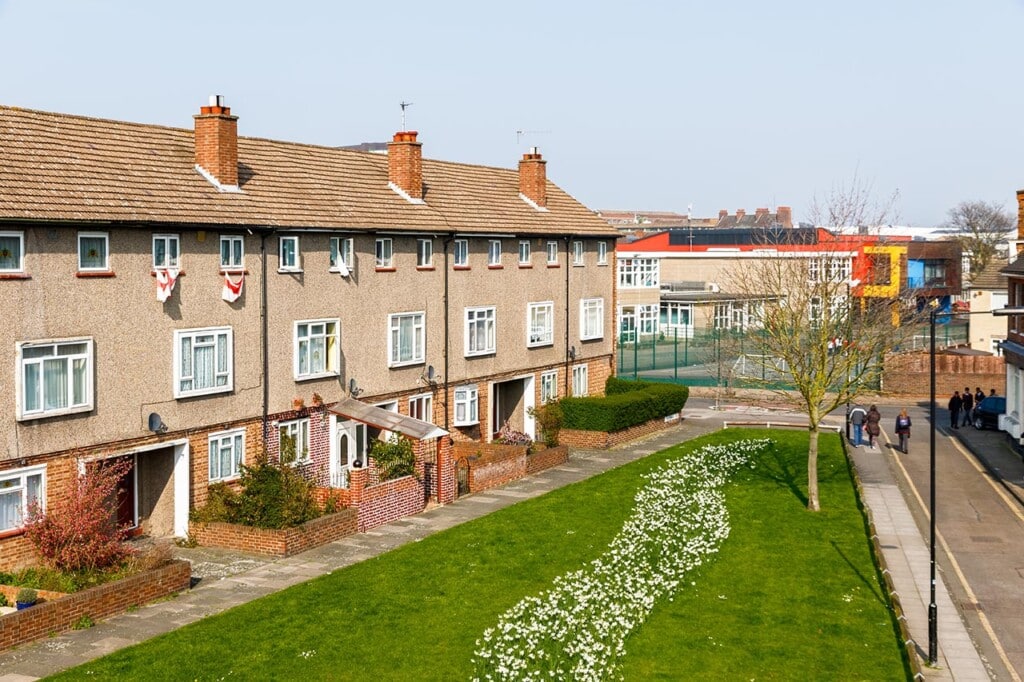
Loss of Social Rented Homes Nearly Doubles Year on Year to Reach Almost 4,000
England lost nearly 4,000 social rented homes last year, with new government figures revealing a net reduction of 3,834 properties in 2024-25 — more than double the previous year’s loss. Data from the Ministry of Housing, Communities and Local Government shows 16,291 homes were sold or demolished, compared with just 10,807 built. Homelessness charity Crisis warned the trend risks deepening the housing emergency. Chief executive Matt Downie said: “Behind today’s figures are hundreds of thousands of people facing the trauma and indignity of homelessness because we are not building new social homes at anywhere close to the scale required.” He added that while ministers have pledged a new generation of social homes, “we’re a far cry” from the 90,000 homes a year experts say are needed to reverse rising homelessness.

Housing Conditions Identified as ‘Structural Driver’ of Poor Mental Health, Covid Inquiry Told
Housing conditions were a “structural driver” of poor mental health during the pandemic, the UK Covid-19 Inquiry has heard, with disadvantaged groups disproportionately affected. Opening the inquiry’s final module, counsel Kate Blackwell said: “People’s housing situations had a profound impact on how they experienced the pandemic,” adding that “housing conditions were recognised as a structural driver of poorer mental health, particularly in more deprived areas and this was disproportionately experienced by socio-economically disadvantaged and ethnic minority households.” Overcrowding and housing insecurity were linked to higher psychological distress, “perhaps predictable in any crisis” requiring people to stay home. While the Everyone In scheme was “welcomed”, its management and conclusion may have had an “adverse impact” on those experiencing homelessness, the inquiry heard.

Scottish Landlords Face £40m Income Shortfall if Rent Collection Drops by 0.5%, Sector Warned
Scottish social landlords could face a £40m income shortfall over five years if rent collection rates fall by just 0.5%, according to analysis by Mobysoft based on Scottish Housing Regulator (SHR) forecasts. Mobysoft’s Understanding Income Risk in Scotland’s RSL Financial Projections briefing paper warned that business plans rely heavily on high collection rates and above-inflation rent rises, despite nearly three-quarters of tenants expressing concerns about affordability. Chris Magennis, Mobysoft Regional Director for Scotland, said: “As financial headroom is being squeezed, we will see business models being increasingly reliant on the ability to maintain very high levels of rent collection.” Applying a 0.41% lower collection rate equates to a £42m gap, the company claimed. The SHR has said “headroom remains tight”, adding: “Strong governance is essential to maintain financial resilience and deliver better tenant outcomes.”

RSH Quarterly Survey Shows Rising Spend on Existing Homes as Sector Investment ‘Remains Robust’
Housing providers are continuing to increase spending on existing homes while sustaining investment in new supply, according to the Regulator of Social Housing’s latest Quarterly Survey. The report, based on returns from 199 providers, found total repairs and maintenance spend reached £2.4bn in the quarter to December and £9.4bn over the year – up 7% on the previous 12 months. Meanwhile, 39 providers secured £4.2bn in new finance, above the recent quarterly average. Although higher costs meant operating cashflows were insufficient to cover interest payments alone, the regulator said investment “remains robust”. Will Perry, RSH director of strategy, said: “Recent announcements on rents and the SAHP give providers the opportunity to make well-informed investment decisions, while maintaining a strong grip on financial risk.”
And that brings us to the end of the February edition of This Month in Social Housing. We’re all off to welcome the lighter mornings, keep half an eye on the Spring Budget rumours, and pretend we’re surprised when the financial year-end suddenly appears at full speed. March has a habit of sharpening minds — targets to hit, plans to finalise, and spreadsheets to tame before the new year (the fiscal one, at least) rolls in.
But never fear as we’ll be back at the end of next month with more stories, insights and sector signals as 2026 continues to gather pace. Until then, keep steady, keep strategic, and maybe even dare to believe that spring is just around the corner. Hasta luego!

- This Month In Social Housing: March 2026 - February 28, 2026
- This Month In Social Housing: December 2025 - December 31, 2025
- Merry Christmas from All at Mobysoft - December 24, 2025