
The introduction of Awaab’s Law represents one of the most significant regulatory shifts in social housing for decades. Introduced following the death of two-year-old Awaab Ishak, the legislation places statutory, time-bound duties on social landlords to investigate and resolve serious hazards in tenants’ homes.
While much of the sector has understandably focused on damp, mould and housing disrepair legislation under Phase 1, attention is now turning to Awaab’s Law Phase 2, due to come into force in 2026. This next phase will significantly expand compliance requirements, bringing a wider range of serious risks into scope and raising the bar for regulatory compliance in social housing.
This article explains what Phase 2 will cover, how it aligns with the Housing Health and Safety Rating System (HHSRS) hazards, and crucially, how social landlords can begin preparing now.

Awaab’s Law in Context: What the Legislation Requires
According to statutory guidance published on legislation.gov.uk, Awaab’s Law is delivered through secondary legislation that prescribes clear response times once a serious hazard is identified in a social rented home.
Phase 1, effective from October 2025, applies to:
- Emergency hazards requiring action within 24 hours
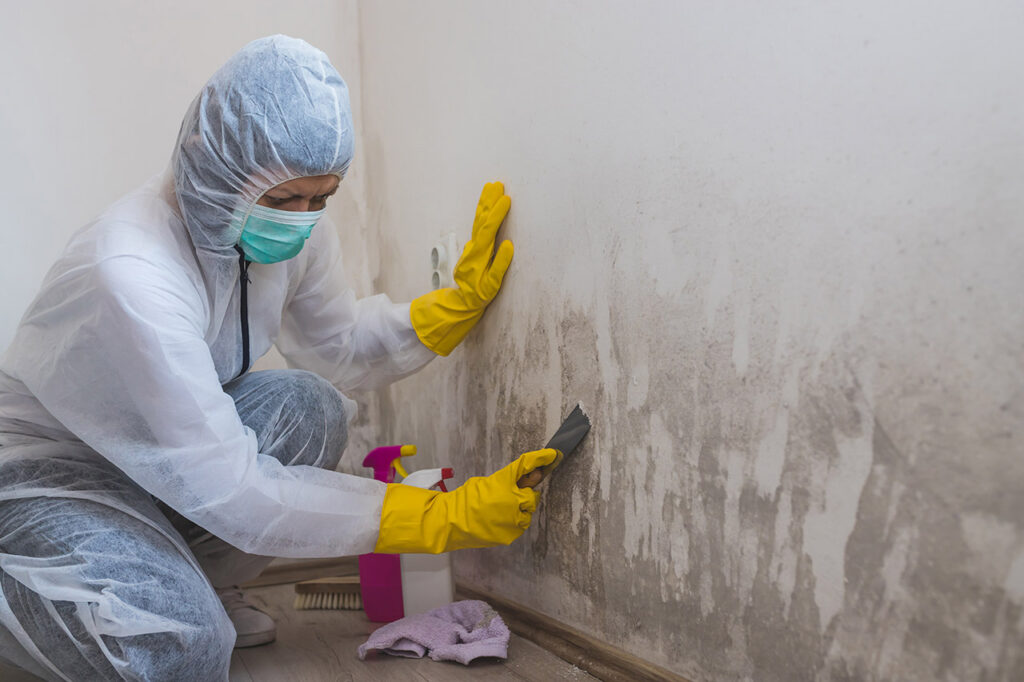
- Serious damp and mould hazards, with legally mandated investigation and remediation timescales
Phase 2 does not introduce a new legal test. Instead, it extends the same mandatory repair and mitigation deadlines to additional hazards already recognised within the HHSRS framework, reinforcing the government’s intent to make safety outcomes, not intent or effort, the basis of compliance.
What Is Included in Awaab’s Law Phase 2?
Government guidance confirms that Awaab’s Law Phase 2 will apply to other serious hazards where there is a significant risk to tenant health or safety, aligned with the Housing Health and Safety Rating System.
Expected hazard categories include:
- Excess cold and excess heat
- Fire safety and electrical hazards
- Falls associated with stairs, baths, and level surfaces
- Structural instability and collapse
- Domestic hygiene, sanitation, and food safety risks
These hazards are already well understood by local authorities and regulators. What changes in 2026 is that social landlord compliance responsibilities will be backed by enforceable statutory timeframes, bringing social housing hazard compliance 2026 firmly into focus.
Why the Expansion Matters Beyond Damp and Mould
Housing charities such as Shelter and Homeless Link have long highlighted that housing hazards rarely occur in isolation. Cold homes, poor ventilation, unsafe electrics and structural disrepair frequently overlap, compounding health risks for residents.
Shelter’s research consistently shows that unresolved hazards disproportionately affect:
- Children
- Older people
- Residents with respiratory conditions or disabilities
By expanding Awaab’s Law to cover additional hazards, Phase 2 reflects a more holistic understanding of what makes a home genuinely safe moving beyond reactive responses to single issues and addressing systemic risk.
What the National Housing Federation Says About Readiness
The National Housing Federation has been clear that Awaab’s Law represents a shift from policy compliance to evidence-based accountability.
NHF briefings have emphasised that landlords will need to:
- Maintain accurate, auditable data on hazards and repairs
- Demonstrate clear decision-making and escalation pathways
- Provide boards with real-time visibility of compliance risk
Phase 2 intensifies these demands by increasing both the volume and variety of hazards landlords must manage simultaneously.

The Housing Ombudsman: Lessons from Complaints and Maladministration
Insights from The Housing Ombudsman show that many of the failures leading to maladministration findings stem from the same underlying issues:
- Delayed recognition of hazards
- Fragmented or poor-quality repairs data
- Weak escalation when risks worsen
Awaab’s Law Phase 2 directly targets these failings by removing discretion over response times once a serious hazard is identified—making proactive repairs and hazard identification essential rather than optional.
“When we analysed early Awaab’s Law-related Ombudsman cases, what stood out wasn’t just the human impact—it was the scale of avoidable cost,” says Suzy Thomas, Repairs Success Director at Mobysoft.
“Across just 100 complaints, the average compensation payment was over £3,000, with more than 80% of cases resulting in awards above £1,000. And that’s before you even factor in legal fees, decant costs, or the operational disruption that follows a formal finding of maladministration.”
“What’s particularly striking is that more than half of those cases showed clear signs that earlier intervention could have prevented escalation altogether. In many situations, the warning signs were already present in repairs data—just not connected, prioritised, or acted on quickly enough.”
Preparing for Awaab’s Law Phase 2: Practical Steps for 2026
1. Broaden Hazard Recognition Across Teams
Frontline staff, surveyors and contractors must be able to recognise when everyday repairs point to wider HHSRS hazards. Training should move beyond damp and mould to include cold, fire risk, falls and structural issues.
2. Treat Repairs Data as a Compliance Asset
High-quality repairs data for compliance is no longer a “nice to have”. Landlords will need to:
- Link hazards to individual properties
- Track investigation and resolution timelines
- Evidence why particular actions were taken
Without this, demonstrating compliance—or defending enforcement action—will be extremely difficult.
3. Shift from Reactive to Predictive Repairs
Embedding hazard identification into routine inspections, voids and planned maintenance programmes will be critical. Predictive approaches reduce risk, cost and pressure on frontline teams while supporting consistent compliance.

The Bottom Line
Awaab’s Law Phase 2 is not simply an extension of damp and mould requirements—it is a stress test of how well landlords understand, manage and evidence risk across their entire housing stock.
The most effective preparation is not waiting for final guidance, but acting now to:
- Map current repairs and inspection processes against HHSRS hazards
- Identify where data gaps, delays or unclear ownership could undermine compliance
- Invest in systems and skills that support early hazard detection, not just fast response
“The organisations that will succeed under Awaab’s Law Phase 2 are the ones that stop treating compliance as a checklist,”says Suzy Thomas. “They’ll be the landlords who understand the true cost of inaction—compensation, legal fees, decants, reputational damage—and invest early in the capability to spot risk before it becomes a failure.”
“This isn’t about reacting faster once something goes wrong. It’s about building the visibility, insight and confidence to prevent things going wrong in the first place. That’s better for tenants, better for teams, and ultimately far better for the organisation.”
Landlords that treat Phase 2 as a catalyst for operational change, rather than another regulatory hurdle, will be best positioned to meet social housing hazard compliance in 2026, reduce long-term costs, and demonstrate genuine accountability to residents and regulators alike.