Winter Challenges for Social Landlords: Repairs Service Considerations
Winter is always a testing season for social landlords. Colder weather not only places additional strain on buildings but also heightens the health risks for tenants, particularly the most vulnerable. For those responsible for delivering repairs services, the season brings a spike in urgent requests and increased operational complexity, which when combined with tighter regulatory scrutiny, presents quite a challenge.
From heating and hot water failures in housing to damp and mould in rented homes, the stakes are higher during the winter months. With the Social Housing Regulation Act repairs compliance regime now in force, and the introduction of Awaab’s Law compliance standards looming, landlords need to think carefully about how to plan and resource their winter approach. In this article, we take a closer look at some of the most pressing winter repairs considerations for social housing providers.
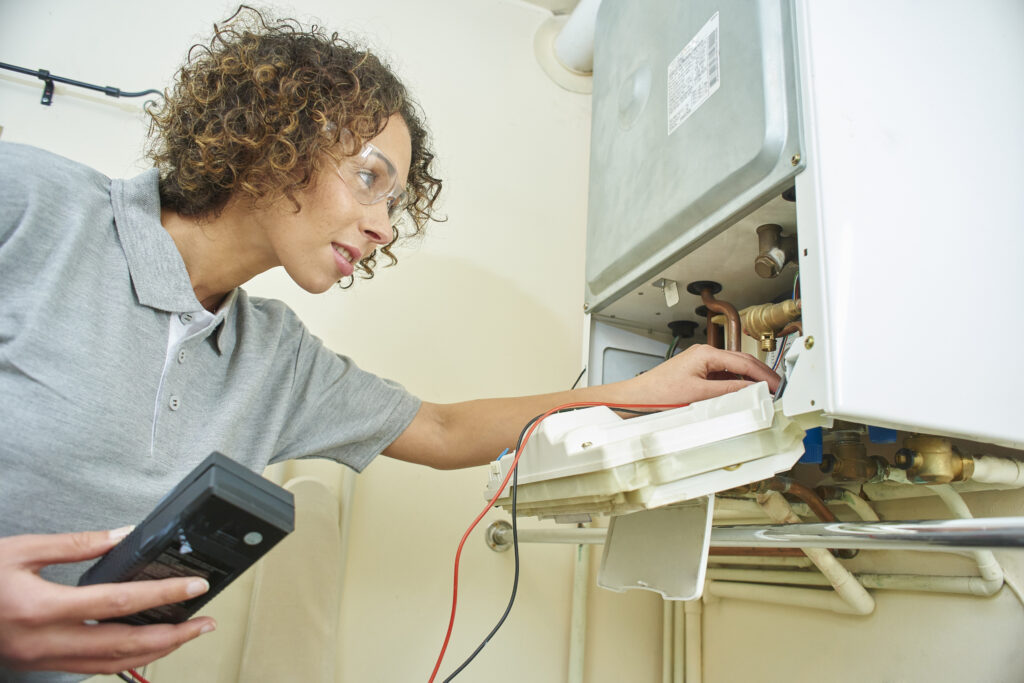
Heating and Hot Water Failures: Why Winter Magnifies the Risks
Breakdowns of heating and hot water systems are one of the most common winter repair emergencies in social housing. For tenants, even short periods without heat can pose serious health risks. Research has shown that cold homes are strongly linked to respiratory illness, cardiovascular problems, and higher hospital admissions in winter.
For landlords, the duty of care is clear. The Housing Ombudsman’s Spotlight Report on Heating and Hot Water highlights repeated cases of maladministration where delays in resolving issues left tenants exposed to unsafe conditions. In winter, timely responses to heating failures aren’t just good practice – they are central to Social Housing Regulation Act repairs compliance.

Damp and Mould in Rented Homes: A Year-Round Issue, But Worse in Winter
The tragic case of Awaab Ishak, which gave rise to Awaab’s Law, brought national attention to the dangers of damp and mould in social housing. Cold weather exacerbates these problems as condensation builds up more quickly in poorly ventilated homes. Left unresolved, damp and mould can cause serious respiratory illness, particularly in children.
Specialist solicitors continue to report rising volumes of disrepair claims linked to cold and damp properties. For landlords, this goes beyond the legal duty – it’s also about maintaining tenant trust and avoiding reputational damage.
Sector guidance, such as the Chartered Institute of Housing’s Putting Safety First briefing, stresses that surface treatments are rarely enough. Instead, landlord responsibilities for damp and mould require addressing the underlying causes, whether that is inadequate insulation, defective windows, or structural leaks.
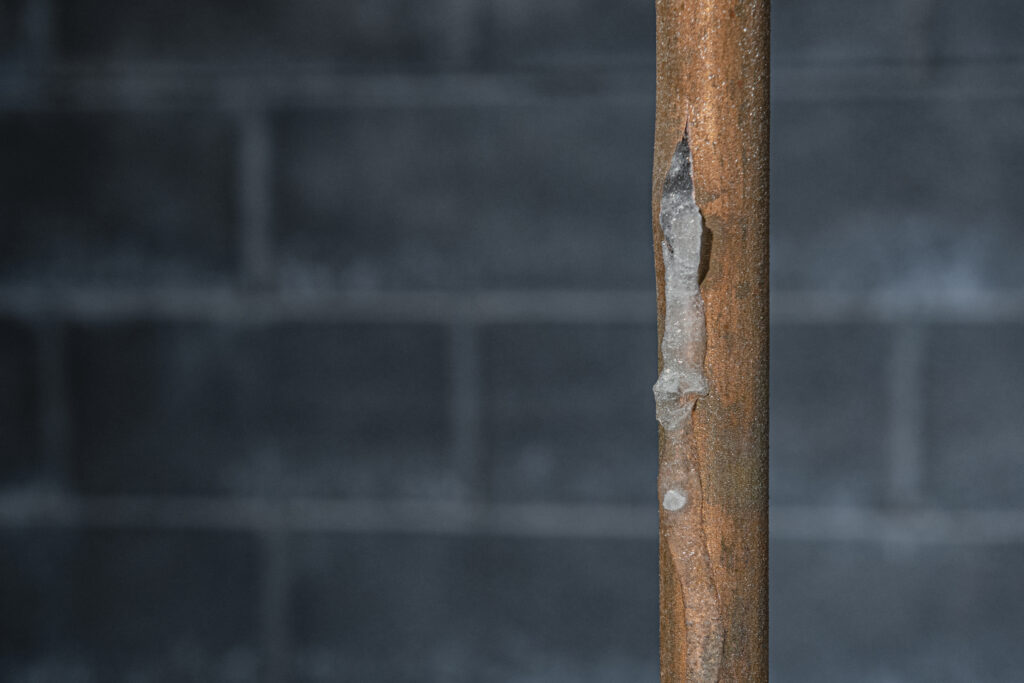
Burst Pipes and Water Damage: Preparing for the Freeze
Freezing conditions make how landlords can prevent burst pipes in winter an essential consideration. Uninsulated external pipework or poorly heated properties are at particular risk. When pipes burst, the damage can be catastrophic, flooding homes and compounding damp and mould problems.
Preventive action is key. Insulating pipework, ensuring heating systems are serviced before the coldest months, and advising tenants to keep a low-level background heat on during severe cold snaps can all reduce risk. While such measures incur costs upfront, they are far less expensive than the disruption of emergency repairs and property damage.
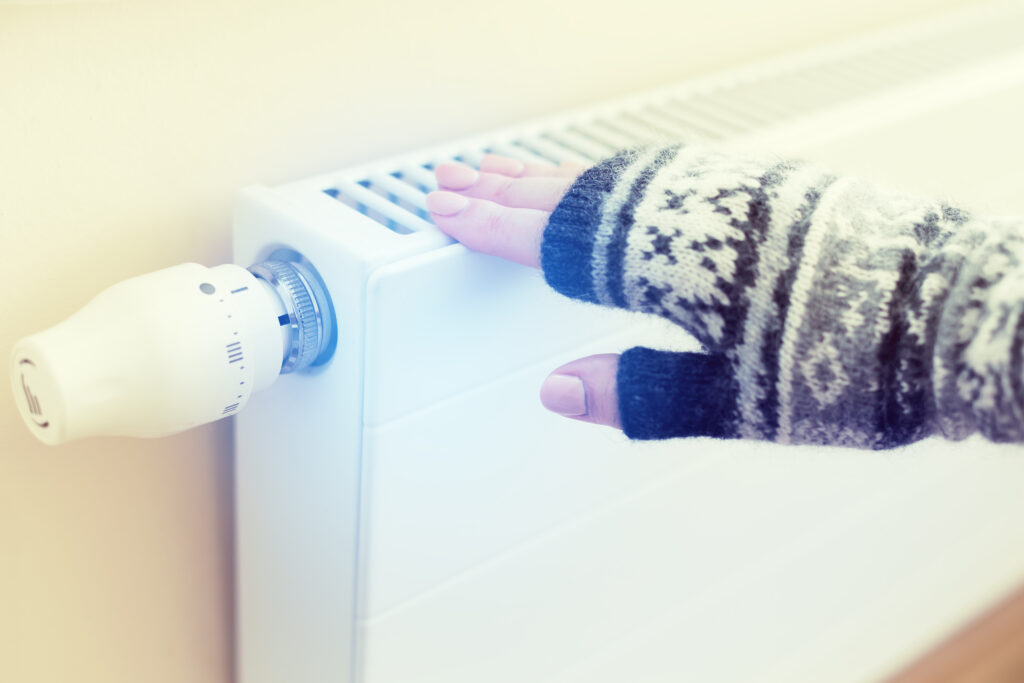
Excess Cold and Thermal Comfort: Meeting Standards, Protecting Tenants
The Housing Health and Safety Rating System (HHSRS) lists excess cold as a Category 1 hazard, placing a clear obligation on landlords to act. Guidance from the Chartered Institute of Environmental Health reinforces that adequate heating, insulation, and ventilation are all required to prevent this hazard.
For many tenants already living in fuel poverty, poor insulation and draughty homes make matters worse. That places added emphasis on energy efficiency programmes, retrofit measures, and ensuring repairs teams can respond quickly when tenants flag problems with heating performance.

Demand Spikes and Service Pressures: Planning for Winter Peaks
One of the biggest operational challenges in winter is the sheer volume of repair requests. Heating failures, leaks, and damp-related issues can all arrive at once, stretching resources to breaking point. Staff illness and severe weather conditions can further delay response times.
The government’s Resident Panel Report on Repairs and Maintenance has already highlighted concerns that many landlords are not adequately prepared for peak demand, urging more preventive investment and stronger communication with tenants.
This is where preventive maintenance strategies for housing providers become critical. By identifying properties most at risk – older stock, homes with a history of damp, or low EPC ratings – landlords can direct resources more effectively, reducing the likelihood of costly and disruptive emergency callouts.

Beyond Compliance – A Question of Tenant Safety and Trust
Winter preparedness is not simply about preventing service backlogs or cutting emergency call-out costs. It speaks to something more fundamental: the safety, dignity, and wellbeing of tenants. As Awaab’s Law compliance becomes a reality, the sector faces a cultural test as much as a technical one.
Kate Henderson, Chief Executive of the National Housing Federation, noted earlier this year that “social housing providers are committed to ensuring the failures that led to the tragic death of Awaab Ishak never happen again and that all homes are free from serious hazards”. This sentiment highlights the stakes: failure to prepare for winter is not just a regulatory risk, it is a failing that directly endangers residents’ health.
So, the question landlords must ask themselves is this: are our current repair processes genuinely robust enough to protect tenants when the cold bites hardest, or are we still relying on reactive fixes that put compliance – and lives – at risk?
Ready to learn more about the biggest repairs challenges – particularly around damp and mould – and how your organisation can stay compliant with new legislation? Visit our dedicated Damp & Mould hub to explore how RepairSense ® can help your organisation this winter.

Mobysoft AI-powered RentSense®, RepairSense®, and RiskSense® help landlords improve their income-collection processes and the productivity, quality, and sustainability of their repairs service for the benefit of all involved.
- Five Questions to Ask Any Rent Analytics Supplier Ahead of Making a Buying Decision - May 20, 2026
- What the Procurement Act Means for Rent Analytics Buying - May 13, 2026
- This Month In Social Housing: April 2026 - May 5, 2026