Top Five Compliance Risks Landlords Face Under Awaab’s Law
The death of Awaab Ishak in 2020 was a tragedy that shook the housing sector and changed the conversation about landlord accountability. The government’s response, Awaab’s Law, comes into force on 27 October 2025 and will require social housing landlords to act quickly on hazards such as damp and mould.
This isn’t just a policy change — it’s a step change in how the sector approaches compliance. Strict legal deadlines are now attached to investigations, tenant communication, and repairs, and the risks of getting it wrong are significant: from court action and compensation to reputational damage and loss of tenant trust.
In this article, we take a closer look at the five biggest compliance risks landlords face under Awaab’s Law — and what can be done to mitigate them.
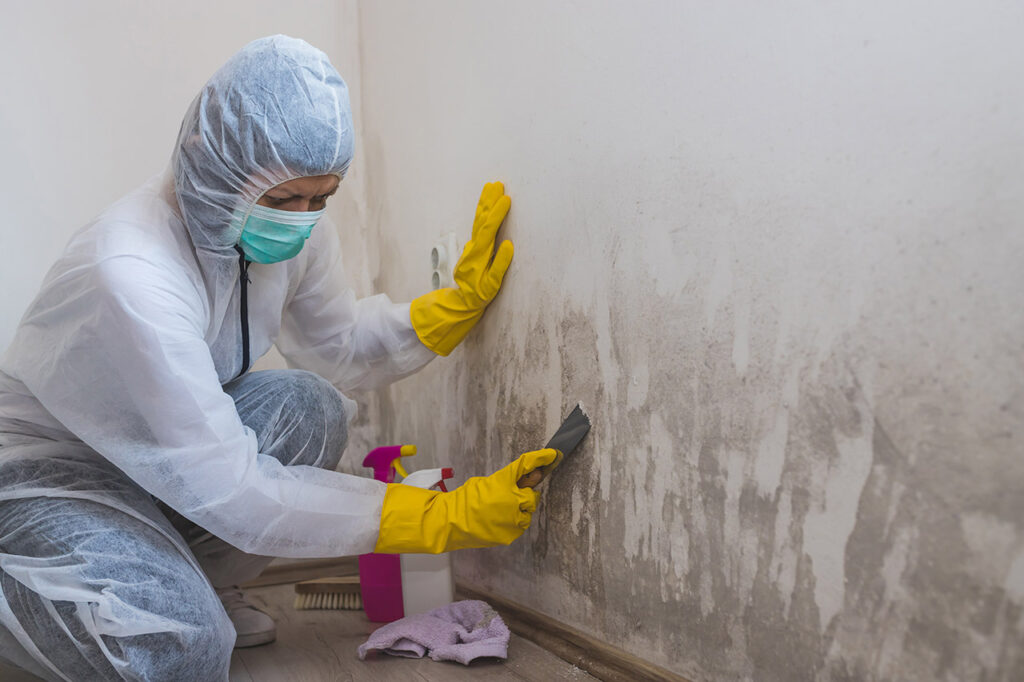
Missing “Day Zero”
The clock starts ticking the moment a landlord becomes aware of a potential hazard — whether that’s through a tenant raising an issue, a contractor noticing something on site, or an inspection flagging a problem. This is known as Day Zero.
If Day Zero isn’t logged accurately, every other deadline under Awaab’s Law is at risk of being missed. Awareness is the trigger, and failure to capture it correctly could see landlords slip out of compliance before they’ve even started.
How to manage it: make sure staff, trades, and contractors know that any sign of damp, mould, or hazard must be reported immediately. Back this up with systems that can log reports automatically. RepairSense® Damp & Mould supports landlords by capturing Day Zero in real time, ensuring no case falls through the cracks.
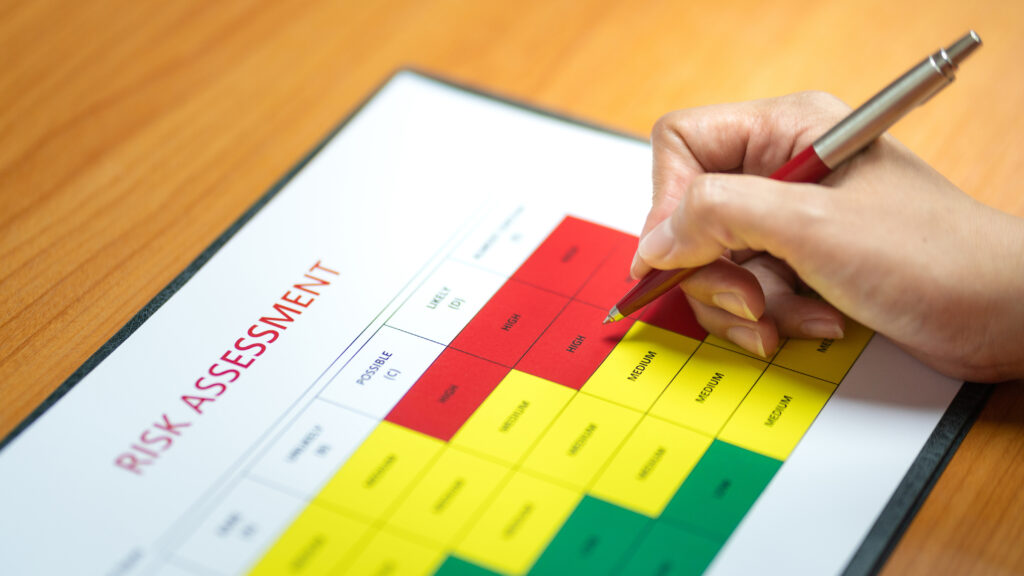
Slow or Incorrect Hazard Categorisation
Awaab’s Law introduces two categories: significant hazards and emergency hazards. Significant hazards must be investigated within 10 working days; emergency hazards must be made safe within 24 hours. Assessing wrongly, or too slowly, can push providers straight into breach.
Sector experts, including the Chartered Institute of Housing (CIH), has underlined that correct hazard categorisation is fundamental, not just for compliance but also for protecting vulnerable tenants (cih.org).
How to manage it: make sure “competent persons” with the right skills are carrying out assessments. Clear guidance, training, and escalation routes are critical. RepairSense® Damp & Mould makes this easier by flagging hazard types and deadlines, giving housing teams confidence that cases are being categorised and prioritised correctly.

Gaps in Tenant Communication
One of the most practical (and easily overlooked) risks lies in tenant communication. After every investigation, landlords must issue a written summary within three working days (unless all works are already complete). Fail to meet this, and you’re not just breaching the law — you’re opening the door to Ombudsman complaints and potential court action (gov.uk).
The National Housing Federation (NHF) has also emphasised that strong tenant communication will be a cornerstone of compliance, noting that housing providers must be proactive in keeping residents informed throughout the process.
How to manage it: standardise written summaries, keep language clear and accessible, and adapt formats for tenant needs. RepairSense helps by pulling together investigation data so housing officers can generate summaries quickly and keep tenants updated throughout the process.

Access Refusals
Even with the best systems in place, landlords can face compliance risk if they can’t gain access to properties. Under Awaab’s Law, you’re expected to prove you’ve taken all reasonable steps to secure access. Without this evidence, providers can’t rely on the “reasonable endeavours” defence if deadlines are missed (gov.uk).
Industry commentary, such as that from RICS Property Journal, reinforces the point: landlords need consistent processes for inspections, and where access is refused, they must demonstrate robust attempts to engage tenants (rics.org).
How to manage it: keep detailed logs of contact attempts, offer flexible appointments, and use multiple communication routes. RepairSense® Damp & Mould helps landlords track all interactions with tenants, creating a clear record if a case is challenged.

Weak Record-Keeping
Awaab’s Law makes record-keeping central to compliance. If a case ends up in court or before the Regulator, landlords must be able to show evidence of every step taken: inspections, communications, works completed, and attempts to gain access. Without strong records, landlords are vulnerable to claims and unable to demonstrate compliance.
The official GOV.UK guidance makes clear that social landlords “must keep clear records of all attempts to comply with Awaab’s Law requirements, including records of all correspondence with tenants and any contractors.”
How to manage it: consolidate repair history, investigation notes, communication logs, photo/video evidence in a single, searchable case file. RepairSense® damp & Mould provides an auditable case file for every property, making it easy to demonstrate “reasonable endeavours” if challenged.
Why This Matters
Compliance with Awaab’s Law is about more than avoiding legal action; it’s about restoring tenant confidence in social housing. Getting the basics right — logging Day Zero, categorising hazards quickly, communicating clearly, securing access, and keeping full records — is essential not just for compliance, but for maintaining reputation and building trust.
Take the Next Step
Want to see how technology can take the pressure off compliance teams?
Watch our short video: How to Stay Compliant with Awaab’s Law: Introducing RepairSense® Damp & Mould

Mobysoft AI-powered RentSense®, RepairSense®, and RiskSense® help landlords improve their income-collection processes and the productivity, quality, and sustainability of their repairs service for the benefit of all involved.
- Five Questions to Ask Any Rent Analytics Supplier Ahead of Making a Buying Decision - May 20, 2026
- What the Procurement Act Means for Rent Analytics Buying - May 13, 2026
- This Month In Social Housing: April 2026 - May 5, 2026