

From April 2026, WHQS Element 1c compliance will introduce new expectations around how Welsh social landlords identify, assess, and respond to housing hazards. These changes place greater emphasis on how quickly issues are handled, how consistently decisions are made, and how clearly actions are recorded
For many organisations, the difficulty will not be understanding the requirements. It will be showing, with confidence, that those requirements are being met across all properties, teams, and cases.
So the question is straightforward: are your current systems set up to support that level of oversight?
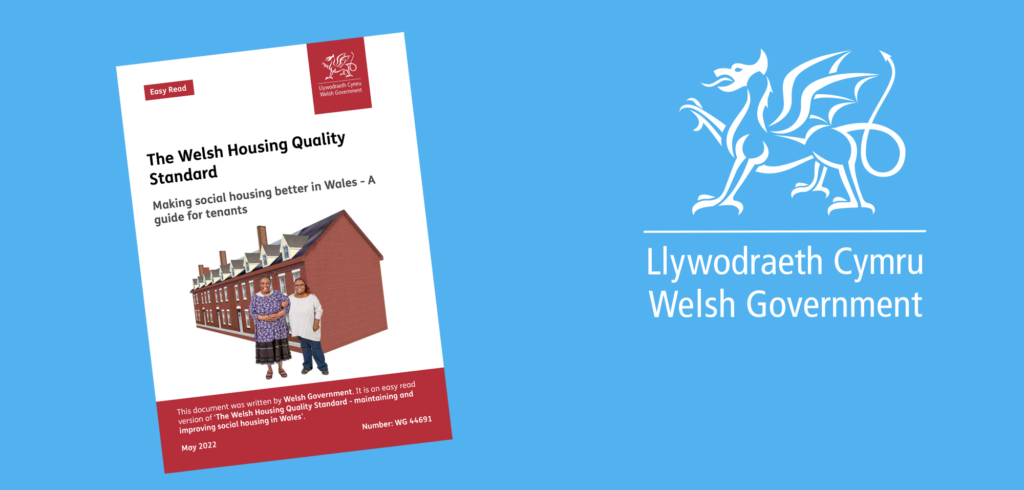
WHQS Element 1c Compliance: A New Level of Scrutiny
The direction of travel from the Welsh Government is clear. Hazard response is being formalised within the wider Welsh Housing Quality Standard (WHQS) 2023 framework, with expectations around timeliness, accountability, and reporting becoming more defined.
Recent guidance on responding to hazards under WHQS highlights the need for landlords to evidence how hazards are identified, assessed, and resolved. This reflects a wider move across the sector, where compliance is increasingly tied to the strength of internal processes and the quality of supporting data.
In practical terms, landlords will need to show not only that action was taken, but that it was taken within the right timeframe and supported by clear decision-making.

The Real Test: Evidence, Not Intent
There is already a strong commitment across the sector to resolving hazards quickly and protecting tenants. The challenge now is evidencing that work in a way that stands up to scrutiny.
This brings greater focus to record-keeping, audit trails, and the ability to track each stage of the hazard response process. Fragmented systems and manual processes can make this difficult, particularly across large housing portfolios.
Over time, organisations that can clearly demonstrate control, consistency, and accountability will be in a stronger position as reporting requirements increase.

April 2026 is approaching quickly, and preparation will need to go beyond policy reviews or process updates. Now is the time to assess whether your organisation can maintain visibility of hazard risk, manage response timelines effectively, and evidence compliance across the board.
If you’re looking for a more detailed breakdown, keep an eye out for Mobysoft’s forthcoming guide, Hazard Compliance in Wales: A Practical Guide for Social Landlords, which will be available soon via our Resources section.
It explores WHQS Element 1c compliance in more depth and outlines the practical steps landlords can take to strengthen their approach.